Source Movable Clamp On Toilet Cabinet Shelf for Kitchen, Bathroom, Laundry
Compare 30 listings for the movable clamp on toilet cabinet shelf from verified Chinese suppliers. Buyers can evaluate stainless steel and wood options with customization, varying load capacities, and installation methods to find the right fit for kitchen, bathroom, or laundry spaces.
Key considerations
Products List




Comprehensive Sourcing Guide
Movable Clamp On Toilet Cabinet Shelf Sourcing Guide
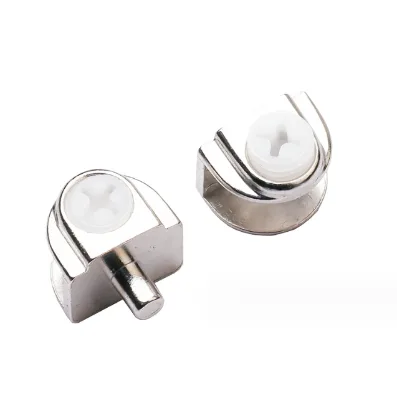
The core keyword defines a specialized storage solution designed for bathroom environments where drilling is prohibited or undesirable. These units typically utilize a clamp-on installation method to secure the shelf to cabinet edges or toilet tank lids without permanent modification. Buyers should verify that the product material, such as stainless steel 304 or 316, offers sufficient corrosion resistance for high-humidity areas. The observed market data indicates a wide range of customization options, allowing procurement teams to select specific finishes like brushed or powder-coated surfaces to match existing bathroom aesthetics.
Procurement strategies must account for the diverse structural configurations available, including single or double-tier designs with varying load capacities. While some listings specify heavy-duty ratings of 10-20kg, others may offer lighter variants suitable for toiletries or towels. It is critical to confirm the disassembly features, as some models are designed for easy removal while others are fixed. The availability of OEM services and custom packaging ensures that buyers can align the product with their brand identity or specific logistical requirements before finalizing the order.
Product Scope and Observed Listing Signals
The observed product listings reveal a significant variation in material composition, ranging from stainless steel to wood and metal racks. This diversity necessitates a careful review of the specific material grade to ensure durability against moisture and cleaning chemicals. Buyers should note that while some units feature a protective film to prevent scratching during transit, the final finish may vary between brushed, baking paint, or powder-coated options. Understanding these material differences is essential for selecting a unit that withstands the specific environmental conditions of the intended installation site.
Listing signals also highlight distinct model numbers and design styles, from modern rectangular shapes to classical configurations. The presence of various punched holes and adjustable bar counts suggests that these shelves are adaptable to different cabinet depths and user needs. However, the inconsistency in listed specifications, such as the presence or absence of disassembly features, requires direct verification with the supplier. Buyers must cross-reference the observed model numbers like SPF-3 or SIF with their specific functional requirements to avoid purchasing a unit that does not fit their physical constraints.
Technical Specifications to Verify
Technical verification must begin with the precise dimensions and load-bearing capabilities of the shelf unit. While some data points indicate a standard size of 11.47.54.7 inches, other listings state that size can be customized. Procurement teams should explicitly confirm the maximum weight capacity, as observed ranges vary from general heavy-duty ratings to unspecified limits. Ensuring the clamp mechanism can securely hold the intended load without slipping is a primary safety and functional requirement that cannot be assumed from general product descriptions.
The installation method and structural integrity are equally critical technical parameters to validate. The clamp-on feature is a key attribute, but the specific mechanism and its compatibility with different cabinet thicknesses must be confirmed. Buyers should also verify the finish type, such as Ba/Brushed or Baking Paint Finish, to ensure it meets hygiene and aesthetic standards. Additionally, checking the number of tiers and the presence of protective films helps determine the unit's readiness for immediate use and its long-term resistance to wear and tear in a wet environment.
Compliance and Safety Documentation
Compliance documentation for bathroom fixtures often includes certifications related to material safety and manufacturing quality. The observed listings mention ISOCCC certification, which serves as a baseline indicator of a supplier's adherence to certain management standards. However, buyers should request specific test reports regarding the corrosion resistance of the stainless steel or the stability of the clamp mechanism under load. Without explicit test data provided in the listing, relying solely on general certification claims may leave the procurement team vulnerable to product failure in humid conditions.
Safety considerations extend to the physical design of the shelf, particularly regarding sharp edges and structural stability. The product attributes indicate a "New" condition and various color options, but the safety of the finish and the absence of hazardous materials must be confirmed. For commercial applications, verifying that the product meets local building codes or safety standards for bathroom accessories is essential. Buyers should ensure that the supplier can provide documentation proving the product's suitability for adult use and its compliance with relevant health and safety regulations.
Cost Drivers and Commercial Terms
Cost drivers for these shelves are heavily influenced by material selection, customization levels, and finishing processes. Stainless steel models, particularly those using 304 or 316 grades, generally command higher prices than standard metal or wood alternatives. The inclusion of custom features, such as specific dimensions, unique color finishes, or tailored packaging, will further increase the unit cost. Buyers must analyze the trade-off between standard inventory items and bespoke solutions to optimize their budget while meeting functional requirements.
Commercial terms, including Minimum Order Quantity (MOQ) and lead times, vary significantly across the observed listings. The data shows an MOQ range from 1 to 100,000 pieces, with specific listings citing 100 pieces as a baseline. Delivery times are typically estimated between 15 to 30 days, but this can fluctuate based on the complexity of customization and current production capacity. Procurement teams should negotiate clear terms regarding payment schedules, shipping responsibilities, and penalties for delayed delivery to mitigate supply chain risks.
Supplier Qualification and Quality Control
Supplier qualification requires a thorough assessment of their manufacturing capabilities and quality control systems. The presence of OEM acceptance and customization options suggests a flexible production environment, but buyers must verify the supplier's track record for maintaining consistent quality. It is advisable to request samples to evaluate the finish quality, clamp strength, and overall build integrity before committing to a large order. The origin of the products, primarily from China and Jiangsu, should be considered in the context of the supplier's logistical reliability and export experience.
Quality control protocols should be established to ensure that every unit meets the specified standards before shipment. Buyers should implement a pre-shipment inspection process to check for defects such as scratches, improper finishing, or structural weaknesses. The warranty period, observed as one year in some listings, provides a baseline for accountability, but the specific terms of coverage must be clearly defined in the contract. Establishing a clear communication channel for addressing quality issues post-delivery is essential for maintaining a reliable supply chain relationship.
Long-Term Procurement Checks
Long-term procurement success depends on monitoring the durability and performance of the shelves over time. Buyers should track the frequency of maintenance issues, such as loosening clamps or finish degradation, to assess the product's longevity. Regular feedback from end-users regarding the shelf's stability and ease of cleaning can provide valuable insights into potential design improvements or supplier changes. This continuous evaluation helps ensure that the selected products continue to meet the operational needs of the facility.
Supply chain resilience is another critical factor for long-term procurement strategies. Buyers should maintain relationships with multiple suppliers to mitigate the risk of disruptions caused by production delays or material shortages. The ability of the supplier to scale production up or down based on demand fluctuations is a key indicator of their reliability. Additionally, staying informed about changes in material standards or regulatory requirements ensures that the procurement team can adapt quickly to new market conditions without compromising product quality.
FAQs
Can the shelf be customized for specific dimensions?
Yes, customization is available for this product line. Buyers can request specific sizes and styles to fit unique cabinet layouts. The manufacturer accepts OEM orders and offers various punched hole options. This ensures the shelf meets precise spatial requirements while maintaining structural integrity for heavy-duty use.
What materials are used for the shelf construction?
The shelves are primarily constructed from stainless steel, specifically grades 304 or 316, ensuring durability and corrosion resistance. Some variants may utilize metal racks or wood for different aesthetic needs. The stainless steel options often feature a brushed or Ba finish, providing a modern look suitable for kitchen or bathroom environments.
How is the shelf installed on the cabinet?
The shelf utilizes a clamp-on installation method for easy setup without complex tools. This design allows for quick attachment to cabinet edges or shelves. The structure supports heavy-duty loads ranging from 10 to 20kg. The installation process is straightforward, making it suitable for immediate use in various settings like kitchens or bathrooms.
What is the typical delivery time for orders?
The standard delivery time ranges from 15 to 30 days after order confirmation. This timeframe allows for production and quality checks. Buyers should note that lead times may vary based on order volume and customization requirements. Planning ahead ensures timely receipt of the shelves for your specific project or inventory needs.
What certifications do the products hold?
Products may hold ISOCCC certification, indicating adherence to specific quality and management standards. Buyers should verify current certification status with the supplier as standards can evolve. The manufacturing process includes protective films and various finishes like powder coating or baking paint to ensure product longevity and aesthetic appeal in daily use.
What is the minimum order quantity for these shelves?
The minimum order quantity typically starts at 100 pieces, though it can range up to 100,000 units depending on the supplier. This flexibility accommodates both small trial orders and large-scale procurement needs. Buyers should confirm the exact MOQ with the specific manufacturer, as it may vary based on product model and customization requests.